Inrush current is the high current that a transformer draws when it is first energized. Learn how you can manage inrush current in your electrical system.
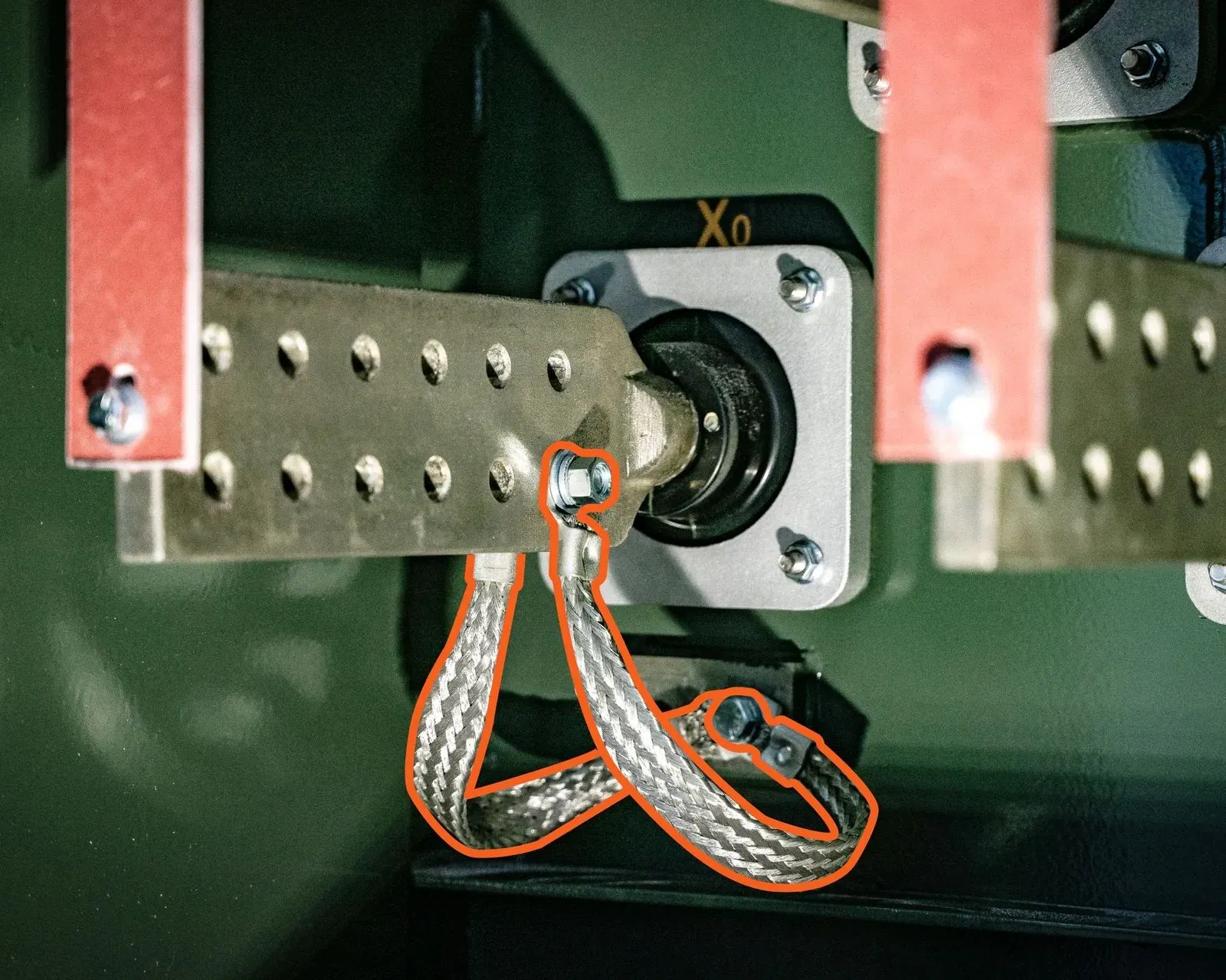
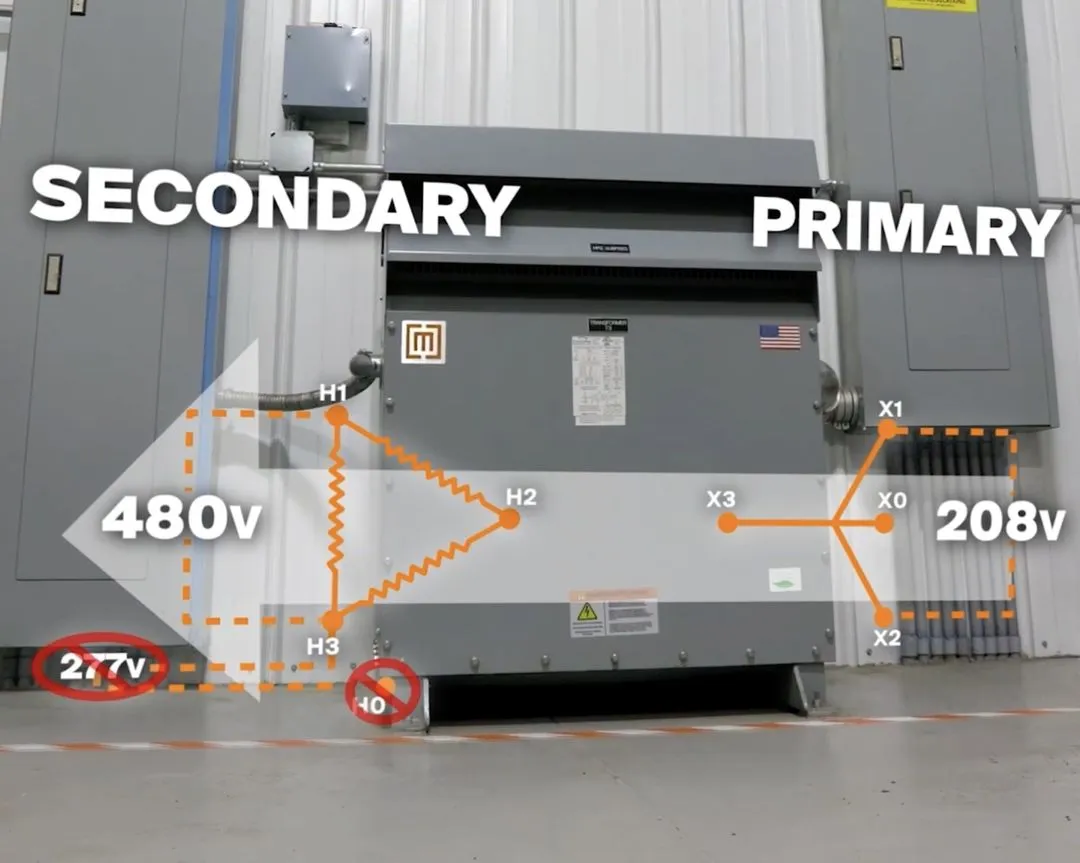
There are two major grounding systems: Wye and Grounded Wye. Check out our article to learn which winding configuration you should get for your project.
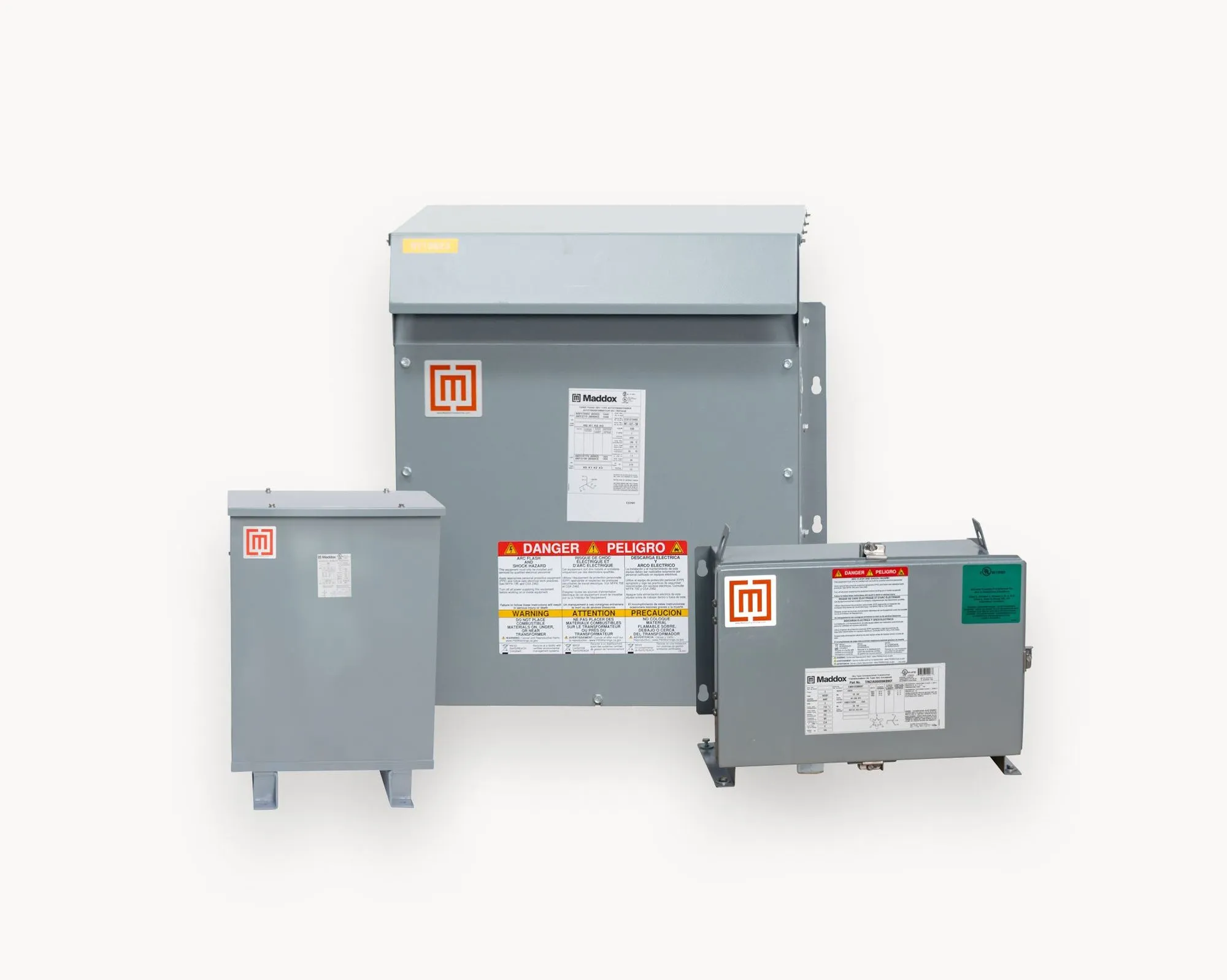
A step-up transformer raises output voltage and a step-down transformer lowers output voltage. Learn more about step-up and step-down units and reverse feeding.
An autotransformer is an electrical transformer that uses a single coil to adjust voltage, meaning there's no isolation between primary & secondary circuits.
A transformer nameplate provides essential information about the unit’s capabilities and operational parameters to professionals, technicians, and users.
Transformer voltage taps and tap changers allow you to adjust the transformer's input voltage rating so you can maintain the correct secondary voltage.
A transformer load break switch (LBOR switch) turns the transformer's power on or off. Learn about 2 and 4-position switches and their different types.
Transformers have monitoring devices such as gauges, sample valves, and test ports to help identify issues in the transformer before they become critical.
Bayonet fuses play a crucial role in protecting transformers as well as preventing damage to electrical systems. Learn what they are and why they are important.
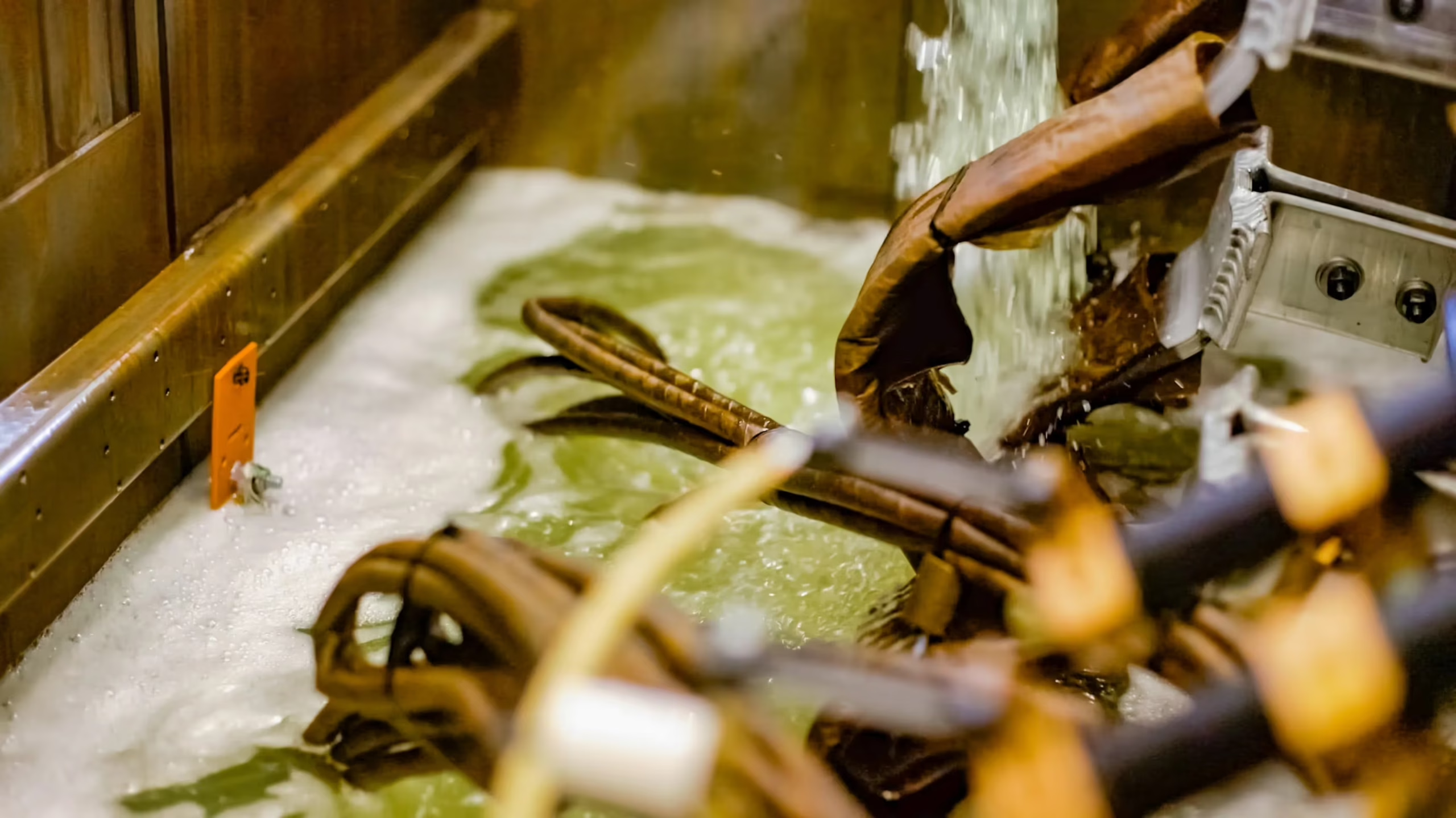
Oil cools a transformer's windings. Types of transformer oil include mineral oil, FR3® fluid, and silicone oil. Find out which is best for your transformer.